
Sabah & Sarawak Economic Development Fundamentals
Understand the foundation of East Malaysia’s economy—from agriculture and tourism to manufacturing and what sectors are driving growth in these regions.
Why East Malaysia Matters
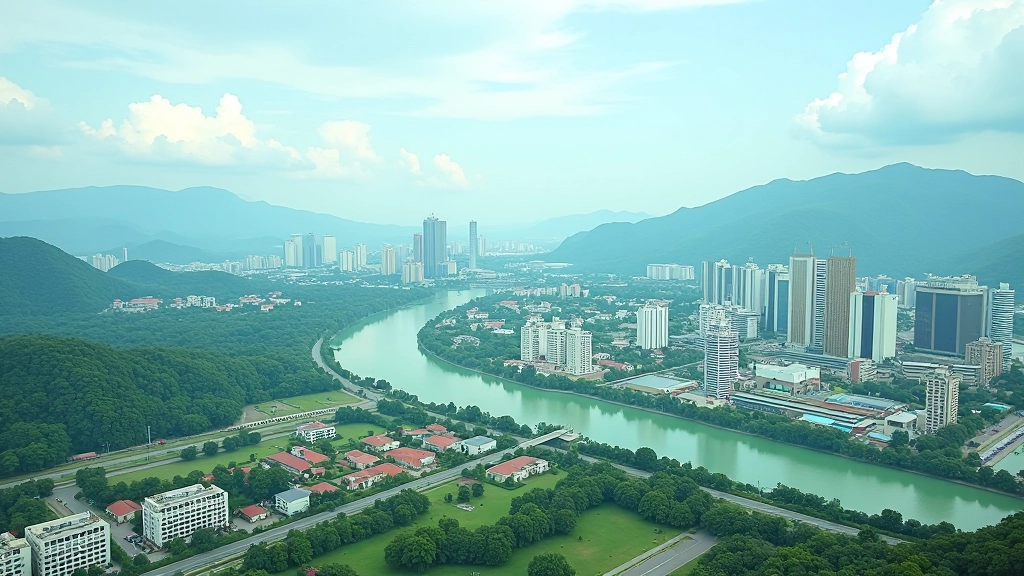
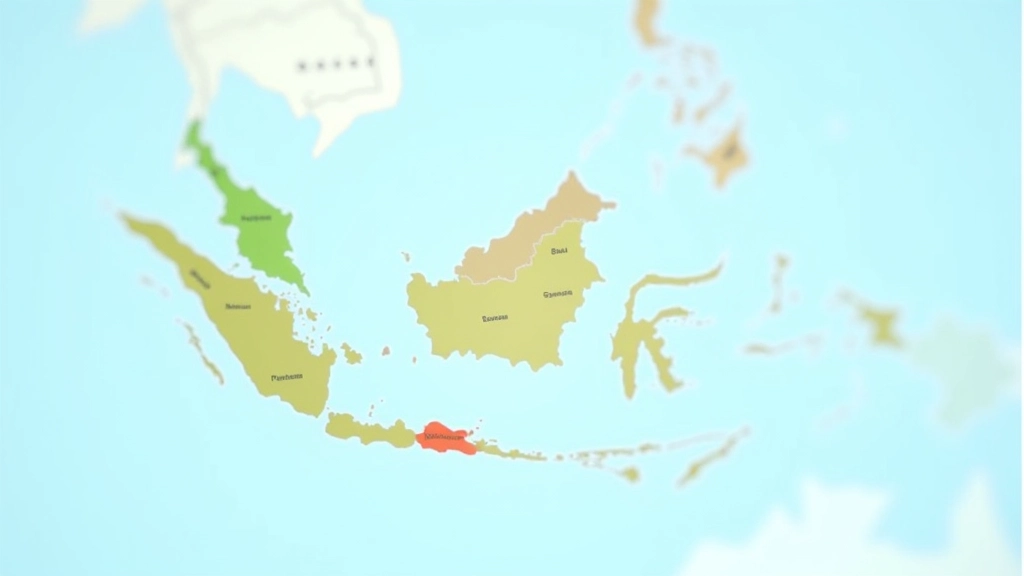
Sabah and Sarawak aren’t just geographic locations on Malaysia’s map—they’re economic powerhouses with distinct development patterns. Together, they cover over 60% of Malaysia’s land area but drive unique economic narratives shaped by geography, resources, and strategic planning. We’re talking about regions that produce more than half of Malaysia’s palm oil, lead in timber exports, and host growing tourism sectors.
Understanding these economies matters because they’re evolving rapidly. Recent infrastructure investments, skills development programs, and regional initiatives show how East Malaysia’s fundamentals are shifting. The 12th Malaysia Plan allocates significant resources here, and there’s genuine momentum building across multiple sectors.
Key Economic Sectors Driving Growth
Each region has specialized strengths that create different economic profiles.
Agriculture & Plantation
Palm oil dominates Sabah’s landscape—roughly 2.4 million hectares under cultivation. Sarawak’s agricultural sector balances palm oil with rice farming and aquaculture, creating more diversified output.
Timber & Forest Products
Sarawak leads Malaysia in timber exports, though sustainable forestry practices are reshaping the sector. Both regions are transitioning toward value-added wood products rather than raw log exports.
Tourism & Hospitality
Natural attractions—Mount Kinabalu, Rajang River, rainforests—draw over 3 million visitors annually. Tourism infrastructure’s been improving steadily, creating hospitality and service sector jobs.
Manufacturing & Processing
Food processing, palm oil refining, and electronics assembly are growing. Skilled manufacturing workers are becoming more available as training programs expand across both states.
Oil & Gas
Offshore reserves continue generating significant revenue. While legacy-dependent, energy sector stability provides economic ballast while other sectors develop.
Digital & Services
IT hubs and business process outsourcing are emerging. Both states are investing in digital infrastructure and skills training to capture tech sector opportunities.
Infrastructure & Development Progress
Real infrastructure shifts are happening. Sabah’s completed its Pan-Borneo Highway—a game-changer connecting coastal towns that were previously isolated. It’s not just about roads though. Both states are building:
- Port facilities to boost export capacity. Kuching Port’s expanded, and Sabah’s pushing improvements at Port Klang alternatives.
- Fiber optic networks reaching rural areas—critical for digital economy participation and business connectivity.
- Industrial parks and special economic zones attracting manufacturing investment with tax incentives.
- Skills training centers focused on construction, hospitality, and tech sectors. Programs are matching regional workforce needs.
The 12th Malaysia Plan (2021-2025) allocated RM84 billion to East Malaysia specifically. That’s not small change. It’s funding things like airport upgrades, port enhancements, and agricultural modernization that’ll reshape competitiveness for years.


Understanding Current Challenges
Growth isn’t automatic. Both regions face genuine obstacles that development plans are addressing. Geography creates logistics costs—shipping goods from Sabah to Kuala Lumpur takes longer than domestic trade elsewhere. Skilled labor shortages exist in specialized sectors because universities are concentrated in Peninsular Malaysia.
Economic diversification takes time. When you’re historically dependent on commodities, shifting to manufacturing or services requires workforce retraining and investor confidence building. But that’s happening. Technical colleges in both states are expanding, and private sector partnerships are growing. The narrative isn’t “problems we can’t solve”—it’s “challenges we’re systematically addressing.”
Environmental sustainability matters too. Balancing timber extraction with forest conservation, managing palm oil expansion responsibly, and protecting biodiversity while enabling economic growth—these aren’t contradictions anymore. They’re integrated into development planning.
Economic Development Framework
How regional growth is actually organized and managed.
Strategic Planning
Both state governments set economic priorities aligned with the 12th Malaysia Plan. Sabah focuses on tourism and agricultural modernization. Sarawak emphasizes timber value-addition and digital transformation. These aren’t vague goals—they’re specific targets with allocated budgets.
Infrastructure Investment
Physical infrastructure gets built first. Ports, highways, airports, digital networks. You can’t have manufacturing without reliable transport. You can’t attract businesses without connectivity. That’s why billions flow here before sector development accelerates.
Workforce Development
Skill gaps get addressed through training programs. Technical colleges, vocational centers, and industry partnerships create pipelines. Companies get tax incentives for hiring local talent. This creates employment while building capability.
Sector Growth
With foundations in place, sectors scale. Manufacturing capacity expands. Tourism infrastructure improves. Agricultural productivity increases. Digital services launch. Growth becomes self-reinforcing as confidence builds and networks strengthen.
Key Development Resources & Initiatives
If you’re looking to understand or engage with East Malaysian economic development, these frameworks matter:

12th Malaysia Plan (2021-2025)
The national blueprint for regional development. Allocates specific budgets, targets, and timelines. East Malaysia receives dedicated funding streams for infrastructure, skills, and sector development. It’s the framework driving current investment.
State Development Plans
Sabah’s Economic Development Plan and Sarawak’s Digital Economy Roadmap translate national priorities into regional action. They’re more specific, addressing local conditions and sector strengths.
Investment Incentive Programs
Tax holidays, pioneer status, and special economic zone incentives attract companies. Both states actively market investment opportunities through development authorities.
Key Takeaways
Sabah and Sarawak’s economies aren’t static—they’re actively transforming. You’ve got legacy sectors (agriculture, timber, oil) providing stable revenue while new sectors (manufacturing, digital services, premium tourism) develop alongside them.
- Geography and resources define each region’s economic profile, but development strategies are creating diversification.
- Infrastructure investments (highways, ports, digital networks) are foundational—they enable everything else.
- Workforce development’s becoming a competitive advantage. Trained workers attract better companies and higher-value jobs.
- The 12th Malaysia Plan isn’t theoretical—it’s funding real projects with measurable timelines.
- Environmental sustainability’s integrated into growth plans, not separate from them.
Understanding these fundamentals matters if you’re researching Malaysian regional economics, considering business opportunities, or tracking infrastructure development. East Malaysia’s economic story is about systematic foundation-building for long-term growth.
Disclaimer
This article provides educational information about Sabah and Sarawak’s economic development frameworks, sectors, and initiatives. The content is intended to help readers understand regional economic structures and development approaches. Statistics, timelines, and specific program details are current as of March 2026 but subject to change as policies evolve. For investment decisions, business planning, or specific economic data, consult official sources including state development authorities, the Economic Planning Unit, and relevant government agencies. This article doesn’t constitute economic advice or investment guidance.