
12th Malaysia Plan Regional Allocation Guide
Understanding how Malaysia’s development resources are distributed across regions, economic corridors, and development priorities through 2028

What You’ll Learn
The 12th Malaysia Plan (2021-2025) represents a significant shift in how development resources are allocated across the country. Rather than treating Malaysia as a single economic unit, the plan specifically targets regional development corridors—Iskandar Malaysia, the East Coast Economic Region (ECER), and Sabah-Sarawak growth zones. This guide breaks down exactly how funding flows, which priorities get attention, and what this means for economic growth in each region.
Understanding these allocations matters if you’re tracking corridor development, evaluating investment opportunities, or simply want to grasp how Malaysia’s government structures economic growth. The numbers reveal strategic priorities that’ll shape infrastructure, industries, and opportunities through 2028.
The Three-Corridor Allocation Framework
The 12th Plan allocates approximately RM400 billion across three main economic development corridors. Each receives funding based on strategic importance, existing infrastructure, and growth potential. The breakdown isn’t equal—some regions get more because they’re further along in development or serve as growth engines for their areas.
Core Allocation Strategy
- Iskandar Malaysia: Focus on manufacturing, petrochemicals, and services (RM50+ billion allocated)
- ECER: Emphasis on agriculture, tourism, and resource-based industries (RM35+ billion allocated)
- Sabah-Sarawak: Priority on infrastructure, connectivity, and resource development (RM40+ billion allocated)

Iskandar Malaysia Allocation
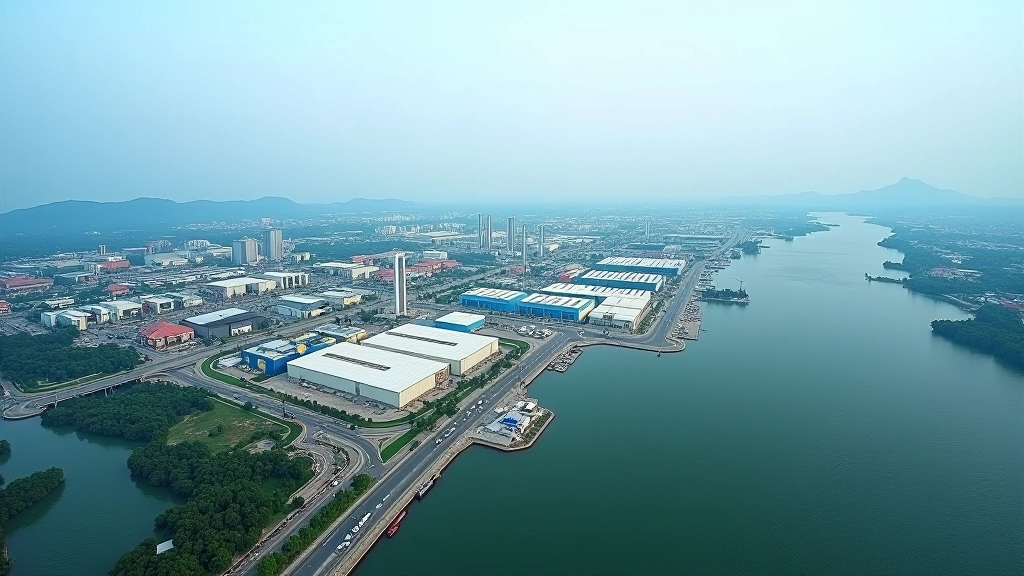
Iskandar Malaysia, covering Johor’s strategic southern zone, receives one of the largest single allocations. The region’s already well-developed with the Port of Tanjung Pelepas, manufacturing facilities, and urban infrastructure—so funding here goes toward upgrading existing assets rather than building from scratch.
The 12th Plan emphasizes high-value manufacturing, petrochemical clusters, and financial services in Iskandar. You’ll see investment flowing toward semiconductor fabrication support, advanced logistics, and digital economy infrastructure. Port modernization and rail connectivity improvements also get significant allocations.
Key allocation focus: Technology-driven manufacturing, supply chain optimization, and services diversification. About 35% of Iskandar’s allocation goes to transport infrastructure alone—the region’s becoming a major logistics hub connecting ASEAN markets.
East Coast Economic Region (ECER) Allocation
The ECER spans Terengganu, Kelantan, and Pahang—regions with significant agricultural, fisheries, and tourism assets. The 12th Plan’s allocation here reflects a different development model. Rather than industrial manufacturing like Iskandar, ECER funding targets agro-industry upgrading, tourism infrastructure, and value-added processing.
You’ll notice substantial allocations for palm oil refining facilities, seafood processing plants, and ecotourism development. The plan recognizes ECER’s comparative advantages—abundant agricultural resources, pristine coastlines, and cultural heritage. Funding also supports skills development in hospitality and agricultural technology.
ECER Priority Sectors
Agro-Industry: Processing facilities, cold chain infrastructure, export quality control (40% of regional allocation)
Tourism: Resort development, cultural centers, transportation hubs (30% allocation)
Infrastructure: Port improvements, highway upgrades, digital connectivity (30% allocation)
Sabah & Sarawak Economic Development
The 12th Plan treats Sabah and Sarawak as a unified development zone focused on East Malaysia’s economic integration. These regions receive substantial allocations because infrastructure gaps are wider—connectivity, power supply, and logistics networks need significant investment compared to Peninsular Malaysia.
Allocation priorities here center on broadband expansion, port modernization (particularly Kuching and Kota Kinabalu), and energy infrastructure. The plan recognizes oil and gas resources in these regions, so downstream industries like petrochemicals and fertilizer manufacturing receive funding. There’s also emphasis on tourism infrastructure development—Sabah’s Mount Kinabalu and Sarawak’s cultural attractions represent significant growth potential.
Why the emphasis? Sabah and Sarawak represent Malaysia’s future growth frontier. These regions contain vast natural resources, untapped tourism potential, and strategic positions for ASEAN trade. Investments in infrastructure now pay dividends as these economies mature over the next decade.
How Allocations Break Down by Sector
Within each corridor, the 12th Plan distributes funding across specific economic sectors. The breakdown reflects strategic priorities and comparative regional advantages.
01
Manufacturing & Industry
Iskandar leads here with semiconductor support, advanced manufacturing. ECER focuses on food processing and agro-industry. Sabah-Sarawak emphasizes petrochemicals and resource processing.
02
Transportation & Logistics
All three corridors receive substantial transport funding. Ports, highways, and rail connectivity get priority. Logistics hub development drives much of the allocation.
03
Digital & Technology
Broadband expansion and digital infrastructure span all regions. Tech parks and digital economy support receive increasing allocations as Malaysia pursues digital transformation.
04
Human Capital & Skills
Training centers and vocational institutions get funding across all corridors. Workforce development aligns with each region’s industrial priorities.
Understanding Implementation & Impact
Knowing the allocation amounts matters, but understanding how they’re deployed matters more. The 12th Plan allocations flow through development agencies, government ministries, and public-private partnerships. Each corridor has its own implementation authority—Iskandar Development Authority, ECER Development Council, and East Malaysia Development Corporation.
These bodies translate allocation budgets into actual projects. A portion funds planning and feasibility studies, another portion goes to infrastructure construction, and ongoing funds support operations. Some allocations are direct government spending (ports, highways), while others incentivize private investment through tax breaks or infrastructure provision.
Real-World Impact
When you see a new industrial park announced in Johor, a port expansion in Kuching, or an agro-processing facility in Pahang—that’s the 12th Plan allocation in action. These aren’t random projects; they’re strategic investments designed to create jobs, attract foreign investment, and build regional comparative advantages.
Key Takeaways
Regional Strategy
The 12th Plan allocates roughly RM400 billion across three main corridors based on existing strengths and growth potential, not equal distribution.
Sector Focus
Iskandar emphasizes manufacturing and services. ECER prioritizes agro-industry and tourism. Sabah-Sarawak focuses on infrastructure and resource industries.
Implementation
Allocation budgets translate into specific projects through development authorities. You can track implementation through announced infrastructure, industrial parks, and facility expansions.
“Understanding regional allocation reveals Malaysia’s economic strategy—where the government’s putting resources tells you where it sees future growth opportunities and competitive advantages.”
Important Disclaimer
This guide provides educational information about Malaysia’s 12th Plan regional allocations based on publicly available government documents and announcements. Allocation amounts and priorities are subject to revision based on economic conditions and policy changes. For official allocation details, consult the Economic Planning Unit, Iskandar Development Authority, ECER Development Council, or East Malaysia Development Corporation. This information isn’t investment advice or official policy guidance—it’s intended to help you understand how regional development funding works in Malaysia.
Related Resources