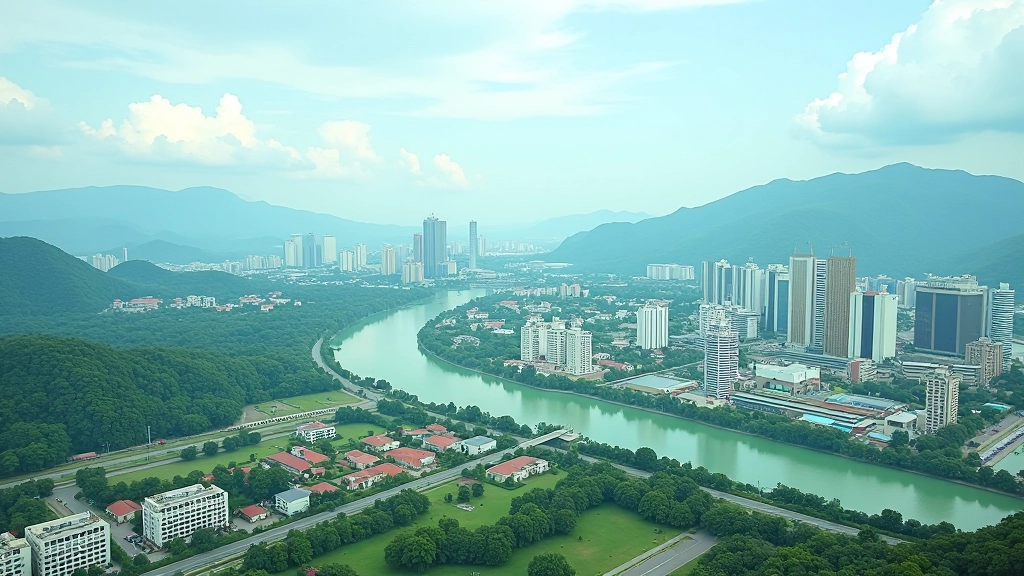

Iskandar Malaysia Corridor Overview
Complete breakdown of Iskandar’s development zones, strategic initiatives, and how it compares to other corridors.
Read MoreTrack the East Coast Economic Region’s recent achievements, infrastructure projects, and what’s driving growth in Pahang, Terengganu, and Kelantan.

The East Coast Economic Region isn’t just planning for growth — it’s already happening. From port expansions to industrial clusters, there’s real momentum building across Pahang, Terengganu, and Kelantan. We’re seeing concrete investments and infrastructure projects that are reshaping how these states compete regionally.
If you’re tracking Malaysia’s economic development or curious about regional opportunities, understanding ECER’s progress matters. It’s where practical growth meets strategic planning, and the numbers tell a compelling story about what’s working.
Real projects moving forward across the region
Kuantan Port’s expansion continues with enhanced container handling capacity. The deepwater facilities now accommodate larger vessels, cutting shipping times and improving cargo throughput significantly.
Manufacturing zones in Terengganu and Kelantan are attracting investment. Electronics, petrochemicals, and advanced manufacturing facilities are setting up operations, creating jobs and strengthening supply chains.
Highway improvements and hospitality projects are making the region more accessible. Terengganu’s beaches and Kelantan’s cultural attractions are drawing visitors and creating secondary economic benefits.
Broadband rollout is extending to rural areas, enabling digital commerce and services. High-speed internet access is becoming standard, supporting e-commerce and tech startups across all three states.
It’s not just government policy. Real factors are making ECER work. Strategic location between major Asian markets means lower shipping costs. Access to skilled manufacturing workforce keeps operational costs competitive. Natural resources — particularly in energy and minerals — attract processing industries.
You’ve got deepwater port access that rivals competitors in other regions. Industrial land availability is better than in Klang Valley or Johor, so companies get space to expand. And there’s genuine commitment from state governments to streamline approvals and reduce bureaucratic friction.
The 12th Malaysia Plan allocated substantial funds specifically for ECER development. That’s not theoretical — it translates to actual infrastructure investment, training programs, and business support services on the ground.
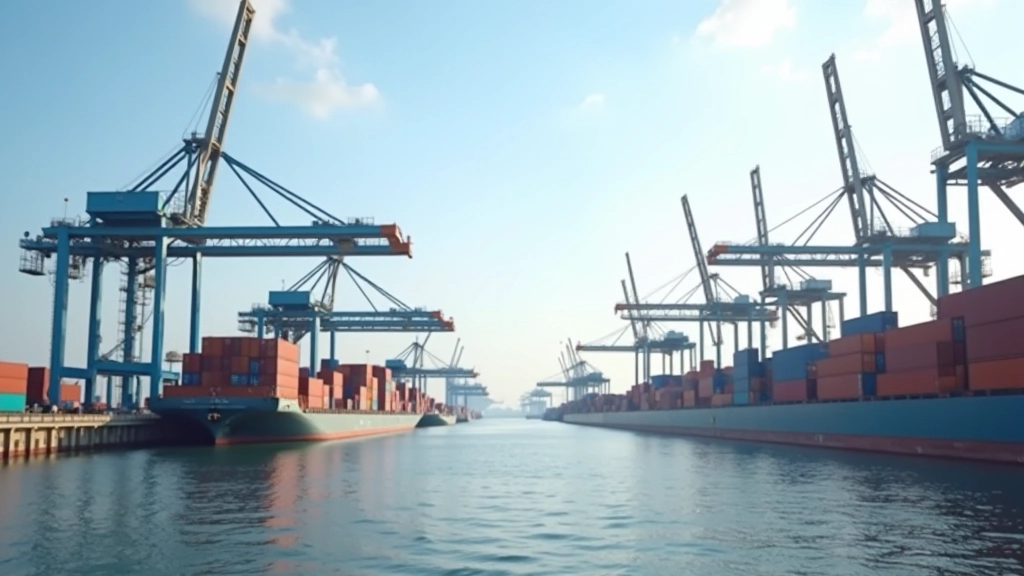
Three sectors driving most of the activity
Electronics assembly, petroleum refining, and chemical processing dominate. Companies appreciate the proximity to feedstock and established logistics networks.
Port operations and warehouse facilities are expanding. ECER’s position makes it a natural hub for goods moving between ASEAN markets.
Petroleum, palm oil, and mining operations provide raw materials. Value-added processing increasingly happens locally rather than being exported as commodities.

ECER isn’t without challenges. Talent retention is ongoing — skilled workers often migrate to Kuala Lumpur for higher salaries. That’s why training programs and competitive compensation packages matter. The region’s working to develop local talent pools so companies don’t need to import expertise constantly.
Infrastructure gaps exist in some areas, particularly inland connectivity. That’s changing though. The 12th Malaysia Plan explicitly targets these gaps with highway improvements and rail connections. East Coast Expressway upgrades are underway. These aren’t quick fixes, but they’re real investments happening now.
Competition from other regions is real. Johor and Penang have established ecosystems and bigger talent pools. ECER’s response? Competitive incentives, streamlined business registration, and focused sector development. It’s not copying competitors — it’s building distinct advantages.
Looking at momentum and planned initiatives
E-commerce hubs and digital payment infrastructure are expanding. Businesses are getting connected to regional and global markets more directly.
Sustainability initiatives are becoming requirements, not options. New facilities are being built with environmental standards built in from day one.
Cross-border trade agreements and ASEAN connectivity projects are strengthening ECER’s position as a regional hub.
ECER development isn’t speculative anymore. You’ve got infrastructure being built, companies making investments, and real employment growth. The region’s advantages — location, resources, developing workforce — are being systematically strengthened through the 12th Malaysia Plan and state-level initiatives.
If you’re tracking Malaysia’s economic regions, watching ECER matters. It’s where regional development strategy meets practical execution. Understanding these milestones helps you see how Malaysia’s economic corridor approach actually works on the ground.
Explore More Economic Corridor TopicsThis article provides educational information about ECER’s development progress and economic initiatives. Content is based on publicly available information and regional development plans. Economic data and timelines are subject to change. For specific investment decisions, policy details, or business planning, we recommend consulting with official government sources, economic development agencies, or professional advisors. This content is informational only and shouldn’t be taken as economic or investment advice.