



Corridor Growth Logo Corridor Growth Contact Us

Economic Corridors & Regional Growth in Malaysia

Understanding development frameworks that shape regional prosperity across Iskandar, ECER, Sabah, and Sarawak

Explore practical resources on Malaysia’s major economic corridors, regional allocation strategies, and development progress. We’ve gathered guides on how these frameworks drive growth, what’s changing in the 12th Malaysia Plan, and why regional development matters to the economy.

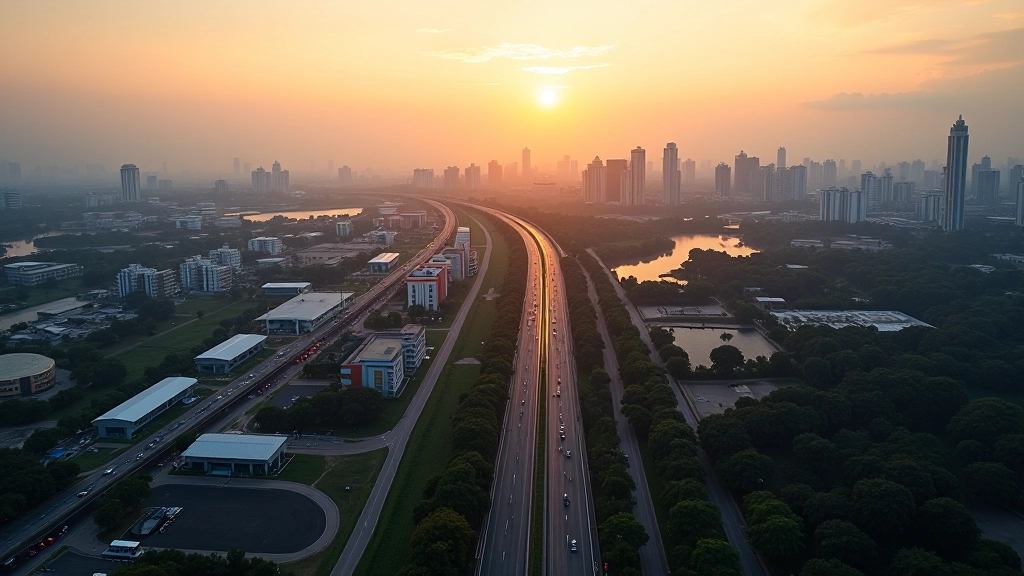
Modern Malaysia skyline with development infrastructure, highways, and economic zones visible at sunset

Essential Resources & Guides

Learn about economic development frameworks, corridor strategies, and regional growth planning

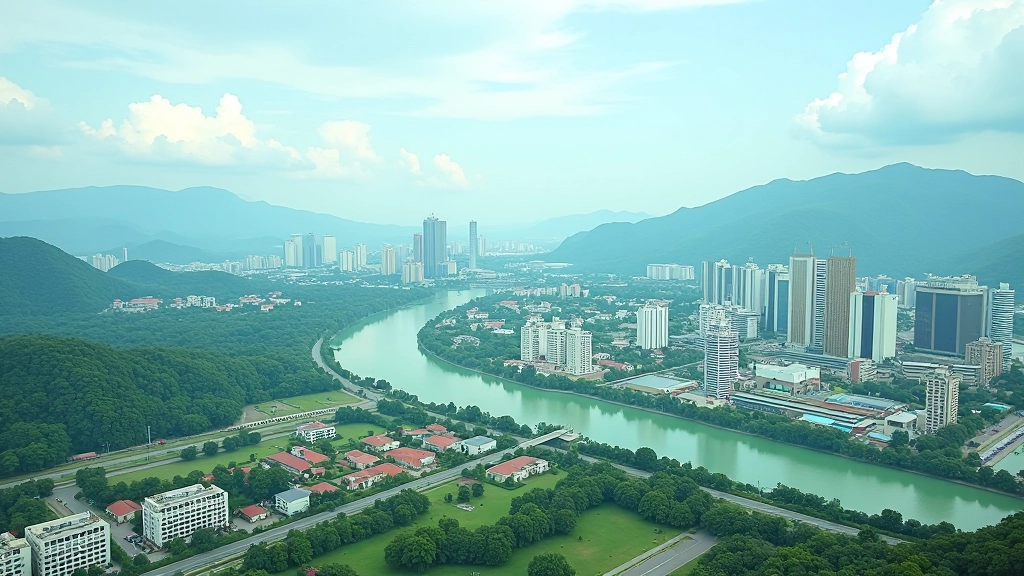
Documentation and maps of Iskandar Malaysia development zone with planning documents and regional overview materials

Iskandar Malaysia Corridor Overview

Complete breakdown of Iskandar’s development zones, strategic initiatives, and how it’s positioned as a major regional economic hub in southern Malaysia.

12 min Beginner March 2026
Read More
East Coast Economic Region development progress charts and regional growth indicators with infrastructure updates

ECER Development Progress & Key Milestones

Track the East Coast Economic Region’s recent achievements, infrastructure projects, and what’s driving growth in Pahang, Terengganu, and Kelantan.

10 min Intermediate March 2026
Read More
Sabah and Sarawak economic development framework showing regional opportunities and growth sectors

Sabah & Sarawak Economic Development Fundamentals

Understand the foundation of East Malaysia’s economy—from agriculture and tourism to manufacturing and what sectors are driving growth in these regions.

13 min Beginner March 2026
Read More
12th Malaysia Plan regional allocation breakdown showing budget distribution across economic zones and development areas

12th Malaysia Plan Regional Allocation Guide

Breakdown of how the 12th Malaysia Plan distributes resources across regions, what funding priorities are set, and how allocation affects corridor development strategies.

11 min Intermediate March 2026
Read More

Why Economic Corridors Matter

Regional Concentration & Growth

Economic corridors aren’t just administrative zones. They’re frameworks designed to concentrate investment, infrastructure, and talent in specific regions. Iskandar Malaysia transformed the southern region through coordinated development. ECER created momentum along the east coast. When you understand these corridors, you see how Malaysia strategically builds regional economies rather than leaving growth to chance.

Each corridor has its own character. Iskandar focuses on manufacturing and services. ECER emphasizes tourism and agriculture. Sabah and Sarawak leverage natural resources and emerging sectors. The differences matter because they shape where investment flows and what opportunities emerge.

Planning & Implementation Reality

Reading about a corridor strategy and understanding actual implementation are two different things. The 12th Malaysia Plan allocates specific budgets, timelines, and priorities. Infrastructure projects follow these allocations. Businesses position themselves based on where resources flow. If you’re involved in regional business, investment, or policy work, understanding these details isn’t optional—it’s foundational.

These guides break down what’s actually happening, not just what was planned. You’ll find real progress updates, current challenges, and what’s expected next. That’s the practical information that actually helps.

Key Takeaways

1

Strategic Focus Varies

Each corridor serves different economic purposes. Iskandar drives manufacturing and logistics. ECER builds on tourism and agriculture. East Malaysia develops resource-based industries. Understanding these differences helps you see where the real opportunities are.

2

Budget Allocation Shapes Development

The 12th Malaysia Plan determines where government funding goes. These allocations affect infrastructure projects, business incentives, and employment opportunities. Knowing these priorities helps explain what’s actually being built and why.

3

Progress Isn’t Linear

Development happens in phases. Some projects move quickly while others face delays. Understanding where each corridor stands helps you make informed decisions about timing, investment, or career moves in these regions.

4

Regional Growth Creates Opportunities

When corridors develop, they create jobs, attract businesses, and build infrastructure. Whether you’re looking at investment potential, business opportunities, or career prospects, corridor development directly affects your options.