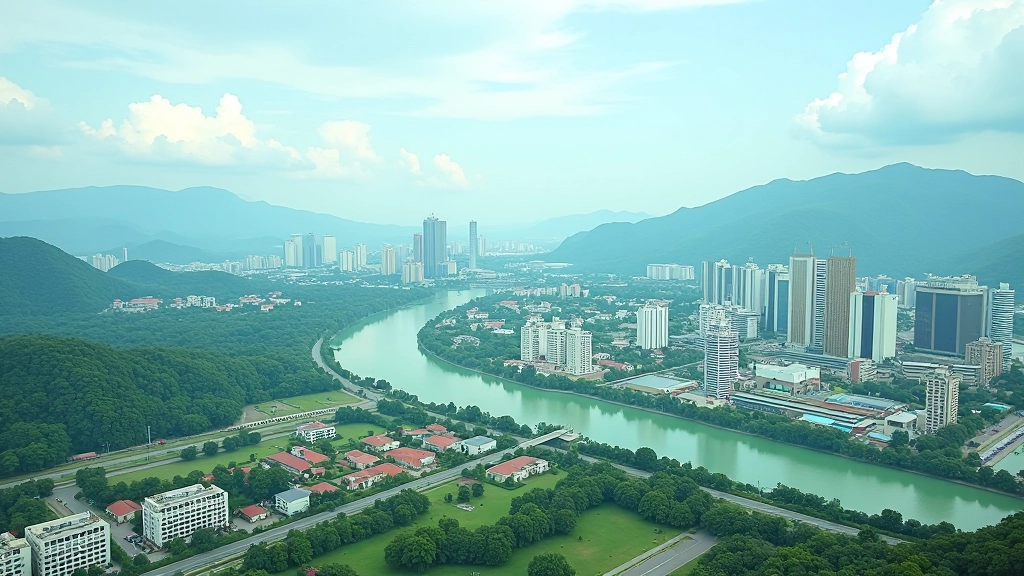
Iskandar Malaysia Corridor Overview
Understanding Southern Malaysia’s Premier Economic Hub and Development Zones

What is Iskandar Malaysia?
Iskandar Malaysia represents one of Southeast Asia’s most ambitious economic development initiatives. Located in the southern region of Peninsular Malaysia, spanning across Johor and parts of Selangor, it’s designed as a comprehensive economic transformation zone. The corridor encompasses roughly 2,217 square kilometers of strategic land, making it one of the region’s largest coordinated development projects.
The initiative isn’t just about building new infrastructure—it’s about creating an integrated ecosystem where business, residential, and industrial activities coexist. We’re talking about deliberate planning across multiple sectors: manufacturing, technology, tourism, and financial services. The development started in 2006, and it’s still evolving as new phases come online. Understanding how Iskandar works helps explain Malaysia’s broader economic strategy.
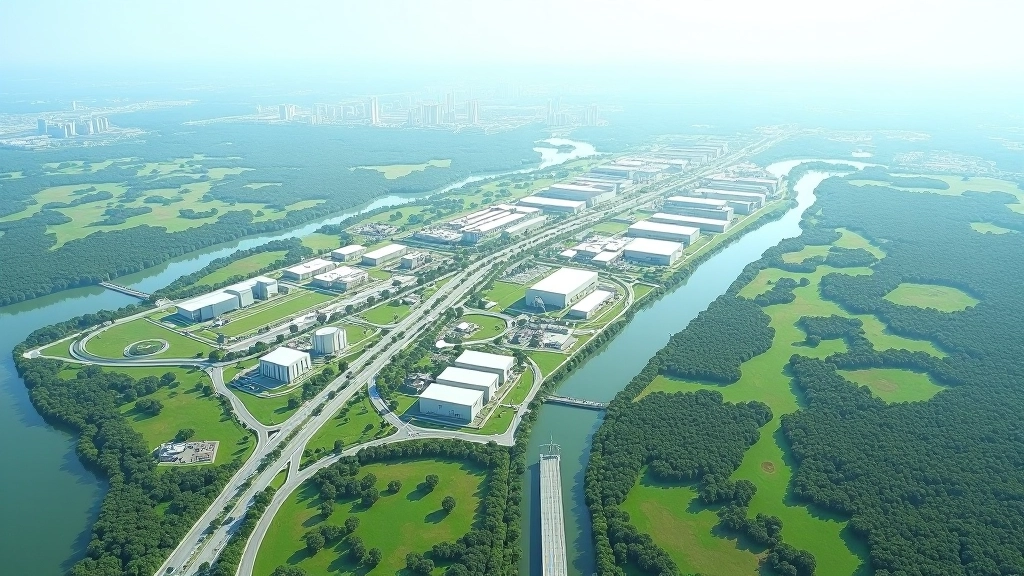
The Five Development Zones
Iskandar Malaysia is strategically divided into specialized zones, each serving specific economic functions
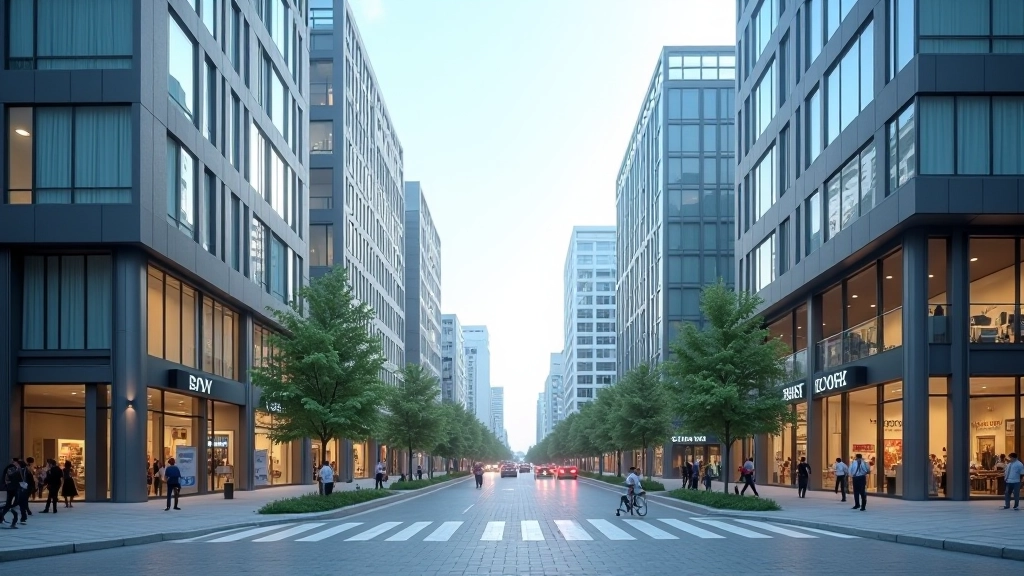
Central Business District
The commercial heart of Iskandar, featuring high-rise offices, financial institutions, and corporate headquarters. This zone attracts multinational companies and regional financial operations.
Manufacturing & Logistics Hub
Dedicated industrial areas equipped with advanced logistics infrastructure. Companies here benefit from port access and transportation networks connecting to regional markets.
Technology & Innovation Park
Focused on research, development, and tech startups. It’s designed to foster innovation with modern facilities and proximity to educational institutions.
Tourism & Entertainment Zone
Developed for hospitality, entertainment, and leisure. Hotels, theme parks, and cultural venues create a diverse economic base beyond traditional commerce.
Residential & Mixed-Use Communities
Integrated neighborhoods with housing, retail, and community facilities. These areas support the workforce and create complete living environments.
Key Strategic Initiatives Driving Growth
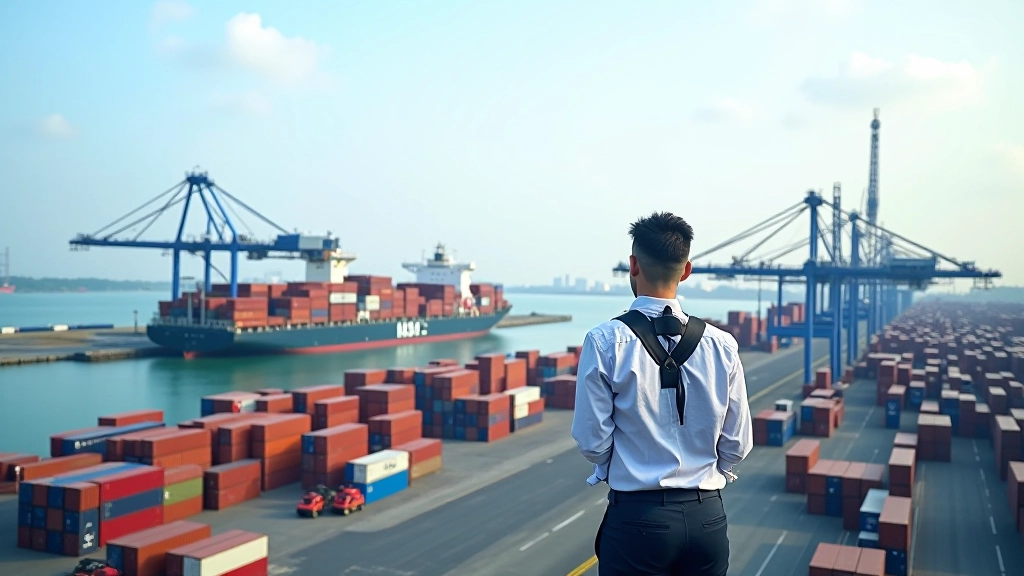
Iskandar Malaysia doesn’t operate in isolation. The corridor’s success depends on specific strategic initiatives that create competitive advantages. Infrastructure investments are substantial—we’re talking about modern port facilities, highway networks, and digital connectivity. The Tanjung Pelepas Port expansion, for example, handles container traffic and supports regional trade flows. It’s not flashy, but it’s essential infrastructure that makes business operations smooth.
Beyond physical infrastructure, there’s significant focus on talent development and institutional support. Educational partnerships with universities create skilled workforces. Business incubators and accelerator programs support startups. Tax incentives and regulatory frameworks make it attractive for foreign direct investment. These aren’t random efforts—they’re coordinated to build an ecosystem where companies can operate efficiently and innovate consistently.
The corridor attracted over RM 300 billion in cumulative investment through 2024 , with consistent annual inflows. That’s not small change. It reflects genuine business confidence in the region’s fundamentals and long-term prospects.
Economic Impact and Regional Position
The economic footprint of Iskandar Malaysia extends well beyond its borders. The corridor generates approximately 7-8% of Malaysia’s total GDP, employing over 1 million people directly and indirectly. That’s substantial economic weight for a single development region. The concentration of manufacturing, financial services, and tourism creates diversified revenue streams, reducing vulnerability to sector-specific downturns.
What makes this impressive is the speed of development. Many emerging economic zones take decades to mature. Iskandar’s managed to achieve significant scale within 15+ years through coordinated planning and consistent investment. It’s become a model that other Southeast Asian countries study when designing their own economic corridors. The proximity to Singapore—just 30 kilometers away—provides natural advantages for cross-border trade and investment flows.
How Iskandar Fits Into Malaysia’s Broader Strategy
Iskandar Malaysia isn’t isolated—it’s part of a coordinated national development strategy. The 12th Malaysia Plan, which runs through 2027, specifically emphasizes regional development and diversification. Iskandar serves as one of several economic growth engines across the country. While Iskandar focuses on southern development, the East Coast Economic Region (ECER) handles growth in Pahang, Terengganu, and Kelantan. Sabah and Sarawak have their own development frameworks. Together, these corridors create a distributed economic geography rather than concentrating all growth in one location.
The corridor also connects to Malaysia’s digital transformation agenda. There’s emphasis on adopting Industry 4.0 technologies, developing digital infrastructure, and building tech talent pools. Companies operating in Iskandar increasingly focus on automation, data analytics, and digital supply chains. This isn’t just upgrading existing operations—it’s fundamentally reshaping how business gets done in the region.

The Road Ahead: Future Development Plans
What’s next for Iskandar Malaysia in the coming years
Looking forward, Iskandar Malaysia is positioning itself for next-generation economic activities. There’s increased focus on green technology, renewable energy projects, and sustainable urban development. Several new industrial parks are planned specifically for clean tech and environmental industries. This isn’t just trend-following—it reflects genuine market shifts where companies are prioritizing sustainability in their operations and supply chains.
Smart city initiatives are also gaining momentum. Technology integration in urban management, from traffic systems to utilities, is becoming standard in new developments. The goal is creating cities that operate more efficiently and provide better quality of life for residents and workers. Infrastructure expansion continues, with ongoing improvements to transportation networks and port facilities. Digital connectivity—5G networks, fiber optics—is being built out systematically across the corridor.
“Iskandar Malaysia represents a deliberate attempt to create modern economic infrastructure where companies can thrive and workers can build careers. It’s not perfect, but it’s substantially more organized than many developing region efforts.”
The corridor’s trajectory suggests continued relevance for regional economic growth. Challenges exist—competition from other Southeast Asian development zones, changing global trade patterns, and the need for continuous reinvestment. But the foundational infrastructure, institutional frameworks, and diversified economic base position Iskandar Malaysia for sustained development through the coming decade. Understanding this region matters if you’re tracking Malaysian economic development or evaluating Southeast Asian investment opportunities.
Important Note
This article provides educational information about Iskandar Malaysia’s development structure, economic zones, and regional positioning. Information is current as of March 2026. Development projects, investment figures, and strategic initiatives may change over time. For specific investment decisions, business planning, or policy guidance, consult with official Iskandar Malaysia authorities, economic specialists, or relevant government agencies. This content is informational and shouldn’t replace professional consultation for major decisions.